















The Four Elements of Media
- Paul Watson

- 8 mars
- 5 min de lecture
Direct Action and the Laws of Media
“The medium is the message”
Marshall McLuhan
In 1977, after leaving Greenpeace, I created a unique movement based on a simple operational strategy and a comprehensive media strategy.
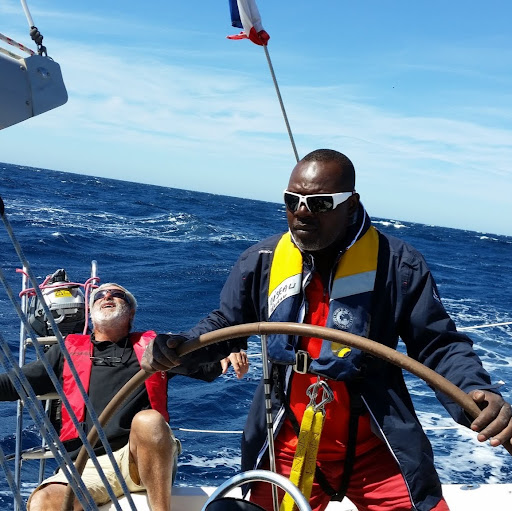
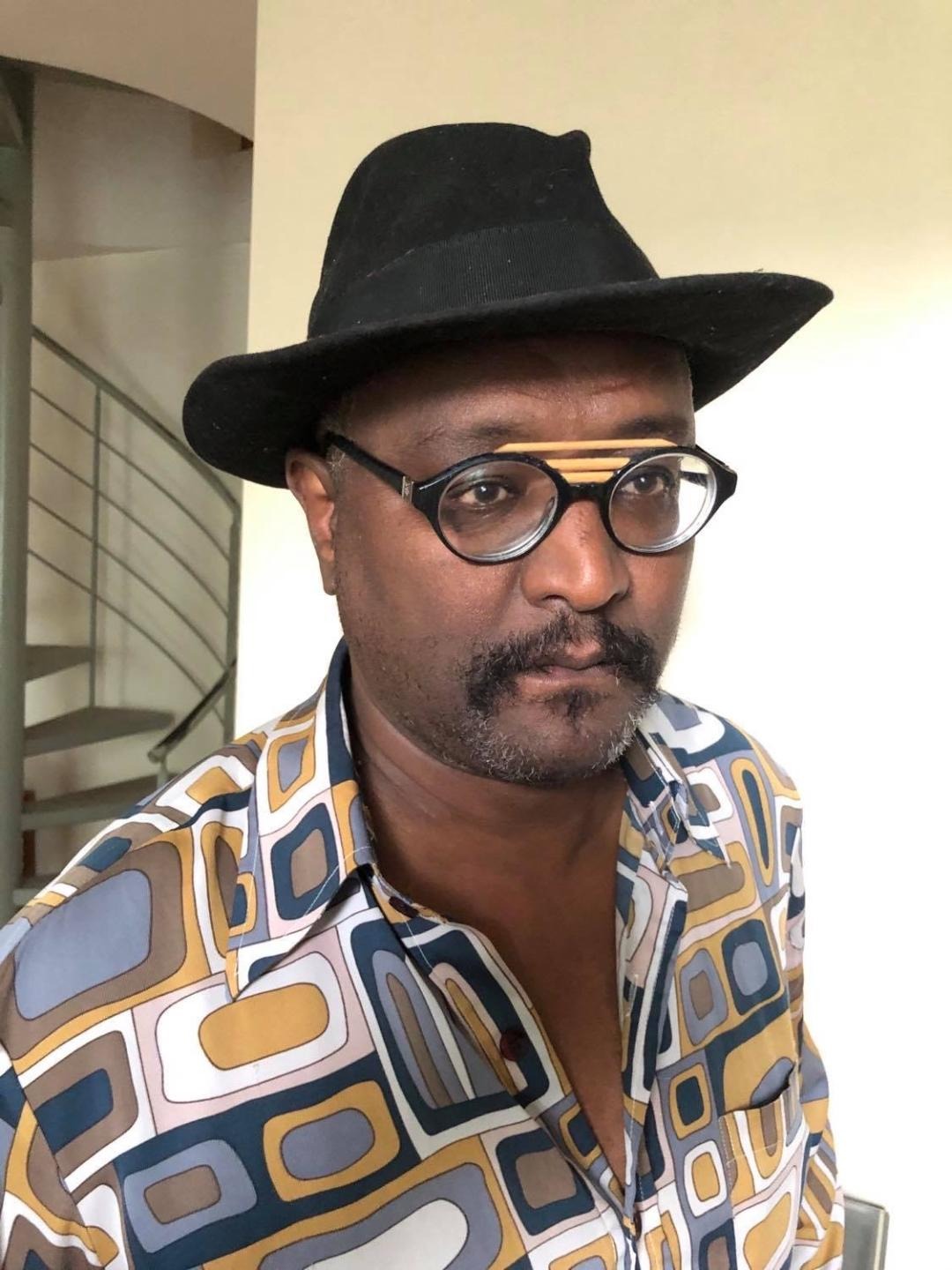
For my media strategy, I had six primary teachers — three men and three women — who taught me the fundamentals of understanding and utilizing media, and the essential elements of education.
The three men were Robert Hunter, Russell Means, and Marshall McLuhan.The three women were Margaret Mead, Jane Goodall, and Brigitte Bardot.
My Teachers
Robert Hunter was the first President of the Greenpeace Foundation and my close friend for thirty years. If Robert Hunter had not existed, Greenpeace would not exist today.
Russell Means led the American Indian occupation of Wounded Knee in 1973, where I served as a volunteer medic at the age of twenty‑two.
Marshall McLuhan, a Professor of Communications at the University of Toronto, profoundly influenced me while I was a Communications major at Simon Fraser University. After hearing him speak at York University, I read all of his books.
Margaret Mead, the anthropologist, I interviewed her in 1976 for The Georgia Straight after attending her talk at Habitat 76.
Jane Goodall, primatologist and friend, taught me a great deal about the nature of humanity — especially the importance of educating children.
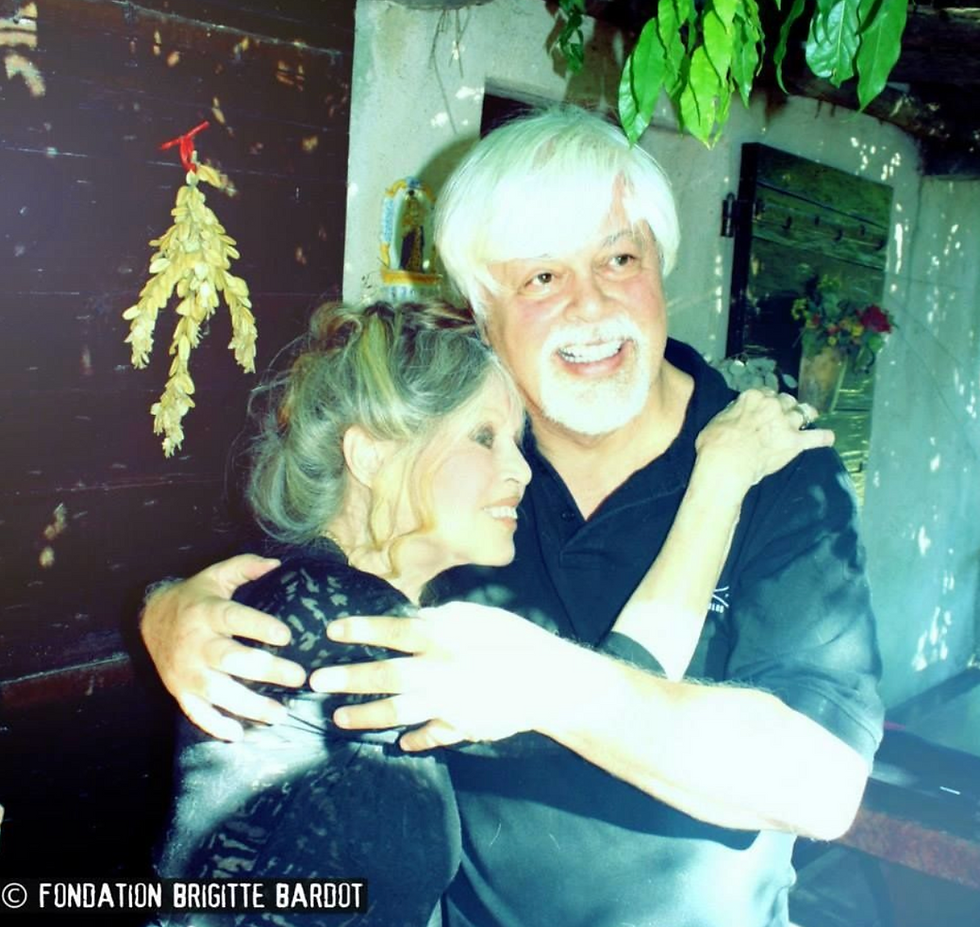
Brigitte Bardot, who accompanied me to the ice floes off Newfoundland to protect baby seals, demonstrated to me the four priority elements of media.
There were many others — Farley Mowat, Jacques Cousteau, Jacques Perrin, Edward Abbey, Biruté Galdikas, Sylvia Earle, Martin Sheen, Pamela Anderson, David Garrick, Al Johnson, Sarah Hambley, Alberta Thomson, and more — all of whom I met, spoke with, and learned from throughout my life.
The Catalyst
The true catalyst for me, however, was looking into the eye of a dying whale in 1975. What I saw there redefined my ambitions and set a course for my life that has never wavered.
Out of these experiences, I established a strategy of aggressive non‑violence — aggressive intervention without causing physical injury, operating within the boundaries of morality and international law.
In half a century, I have never injured a single person, nor have I been convicted of a felony crime.
What have I learned?
Lessons
Margaret Mead: Change Comes from Individuals
From Margaret Mead, I learned that governments rarely initiate positive change. Change comes from the committed passion, courage, and imagination of individuals.
I interviewed Margaret during Habitat ’76, the United Nations Conference on Human Settlements. She became the first member of the Sea Shepherd Advisory Board in 1977.
“Never doubt that a small group of thoughtful, committed people can change the world. Indeed, it is the only thing that ever has.”
Margaret Mead
Marshall McLuhan: The Medium Is the Message
At York University in 1977, McLuhan explained that we live in a media culture where the medium itself is the primary message. To convey any message, one must control the delivery vehicle.
My television series Whale Wars succeeded not simply because of its message, but because Discovery Channel and Animal Planet delivered it.
McLuhan taught me that effective messaging must often be provocative, confrontational, and disruptive.
“The poet, the artist, the sleuth — whoever sharpens our perception tends to be antisocial; rarely ‘well adjusted.’”
Marshall McLuhan
Robert Hunter: Creating a Movement
Robert Hunter demonstrated how to build a movement — a story, a narrative, a brand. This is documented in How to Change the World.
The word Greenpeace itself carried power. It evoked Eden. It combined ecology and antiwar sentiment in two syllables. It fit neatly into a headline.
“Greenpeace had a ring to it.”
Robert Hunter
Russell Means: Focus on the Present
At Wounded Knee, when I asked Russell Means why we stood our ground against overwhelming odds, he told me:
“We’re not concerned with the odds against us. We’re not focused on winning or losing. We’re here because it is the right place and the right time to be here, and the right thing to do. We have no power over the future. We have absolute power over what we do in the present.”
Russell Means
Those words became foundational to me. I am never depressed about the future because the future is shaped by what we do now.
Jane Goodall: Reach the Heart
Jane Goodall taught me the power of stories.
“What you have to do is get into the heart. And how do you get into the heart? With stories.”
Jane Goodall
The Four Elements of Media
Brigitte Bardot dramatically illustrated what I call the Four Elements of Media:
Sex
Scandal
Violence
Celebrity
Every major news story contains at least one of these elements. The biggest stories contain all four.
When Bardot came to Labrador in 1977 and posed cheek‑to‑cheek with a baby seal on the ice floes, the story contained sex and celebrity, provoked scandal, and exposed the violence of the seal hunt. It dominated international headlines.

Aggressive Non‑Violence in Practice
Aggressive non‑violence only works within a media framework. Actions must be public and transparent. The opposition must be targeted on legal and moral grounds.
Whale Wars (2007–2013) succeeded because it combined:
The violence of whaling
Confrontation at sea
The scandal of illegal whaling in a sanctuary
The creation of celebrity plus the participation Daryl Hannah and Michele Rodriguez.
It lacked only one element: sex.
Sea Shepherd’s narrative has always been built on confrontation and controversy.
Books and documentaries educate only if people consume them. The Cove reached the mainstream because of its Academy Award nomination — a powerful media vehicle. Ric O’Barry amplified the controversy by challenging convention on the Academy stage.
Direct Action as “Mind Bomb”
One of my earliest campaigns was ramming the pirate whaler Sierra in 1979. That act captured global headlines and exposed outlaw whaling.
Subsequent actions — in Vigo (1980) and Reykjavik (1986) — did the same.
Robert Hunter called such actions “mind bombs” — dramatic images that explode in public consciousness.
Direct action is only effective if it communicates a message through international media.
The Four Elements Explained
1. SEX
Sex sells. Media is saturated with it — in advertising, drama, fashion, and entertainment. It captivates and commands attention.
2. SCANDAL
People are drawn to scandal — corruption, illegality, exploitation. Scandal fuels narrative and drama.
3. VIOLENCE
Media is dominated by conflict. Activists must not commit violence, but the violence inflicted upon ecosystems and species can be exposed.
4. CELEBRITY
Celebrity guarantees exposure. When celebrities speak, the public listens. When they act, politicians notice.
When Pamela Anderson traveled to Russia, her presence helped pressure authorities to release captive orcas and dolphins.
Conclusion
Nothing is gained without risk.
The movement I created was built on calculated risk — on confrontation without violence, on controversy without harm.
If you want your cause to gain attention, you must incorporate at least one of the Four Elements of Media. For a major story, you need as many as possible.
Because in a media culture:
The message is only as powerful as the medium that carries it.


Commentaires